
Getting on Spotify playlists is one of the most effective ways to grow your streams as an independent artist. But with millions of tracks uploaded every month, simply releasing music is not enough. This guide breaks down exactly how to get your music in front of the right curators and what it takes to get placed.
Why Spotify Playlists Still Matter in 2026
Spotify has over 600 million users. The majority of those users discover new music through playlists: editorial playlists curated by Spotify's team, algorithmic playlists like Discover Weekly, and independent curator playlists run by passionate music fans.
For independent artists without a major label marketing budget, playlist placement is the single most efficient growth lever available. A single placement on a well-matched playlist with 10,000 to 50,000 followers can generate thousands of streams in a matter of days, boost your Spotify popularity score, and trigger algorithmic playlists to recommend your music to even more listeners.
The key insight
Playlist placements don't just bring streams. They bring engaged listeners. When a curator places your track next to artists their audience already loves, your save rates, completion rates, and follower growth all increase. These are the signals Spotify's algorithm needs to start recommending your music organically.
Types of Spotify Playlists
Understanding the different types of playlists helps you target your efforts effectively.
1. Spotify Editorial Playlists
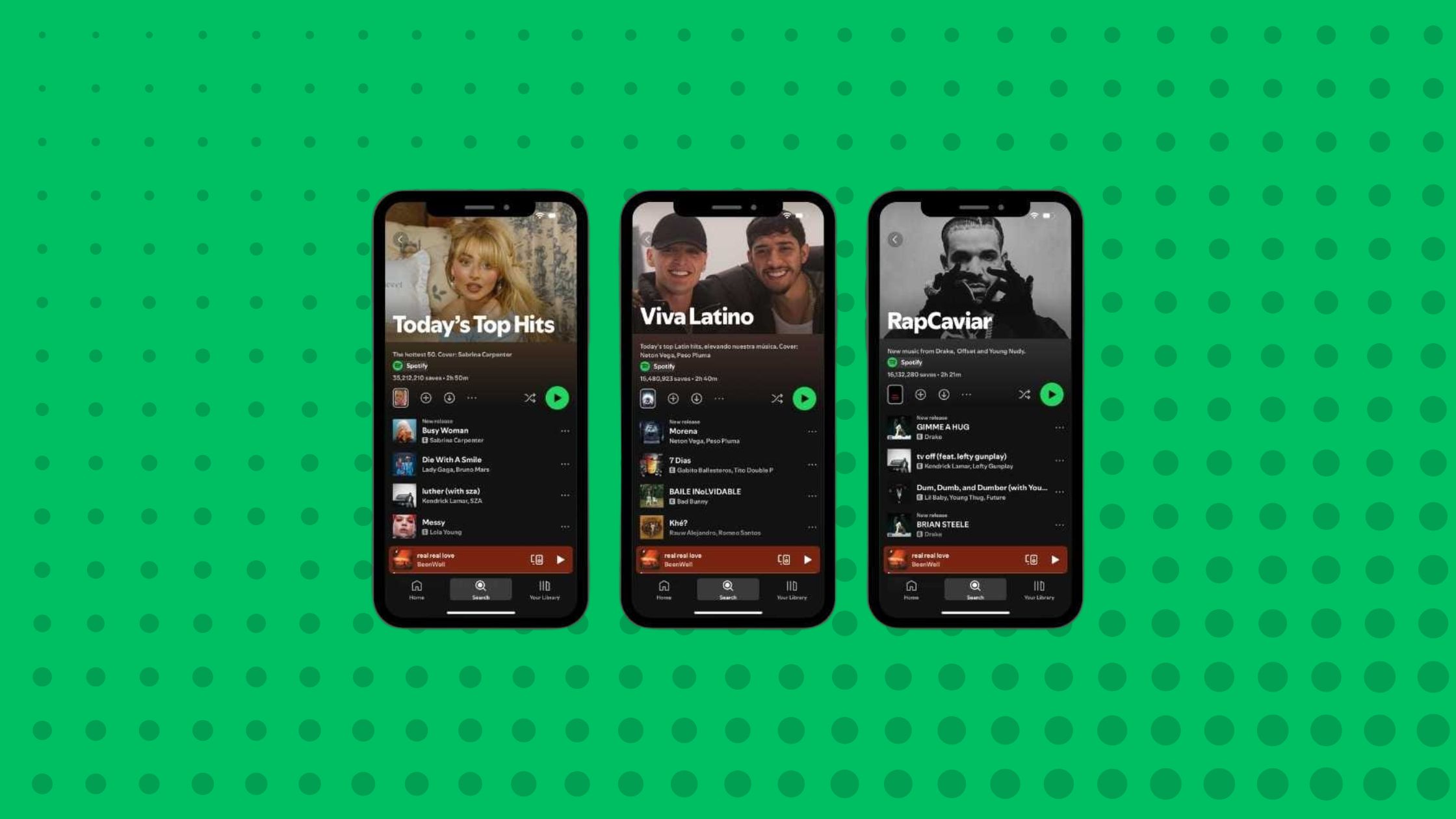
Editorial playlists like Today's Top Hits, RapCaviar, and New Music Friday are curated by Spotify's in-house editorial team. Getting placed here can mean millions of streams overnight. However, these playlists are almost exclusively reserved for artists with label support, significant streaming history, or a track record of viral growth. For most independent artists, editorial playlists should not be the primary focus.
2. Algorithmic Playlists
Discover Weekly, Release Radar, and Daily Mix are generated automatically by Spotify's algorithm based on listener behavior. You cannot pitch directly to these playlists. They are unlocked by building up strong engagement metrics and a healthy popularity score. The best way to get into algorithmic playlists is to first build momentum through independent curator placements.
3. Independent Curator Playlists
These are playlists created and maintained by music enthusiasts, bloggers, DJs, and tastemakers. Not Spotify employees. Many of these playlists have tens of thousands of highly engaged followers who genuinely trust the curator's taste. Independent curator playlists are the most accessible and often the most effective starting point for independent artists. Platforms like Tunebump connect you directly with verified independent curators in your genre.
How to Pitch to Spotify's Editorial Team
Spotify gives every artist one official path to editorial playlists: Spotify for Artists. You can submit unreleased tracks for editorial consideration at least 7 days before your release date. Here's how to make the most of it:
- Submit as early as possible. Spotify recommends submitting 7 days before release, but 14 to 21 days gives their team more time to consider your track.
- Fill out the pitch form completely. Describe your track's genre, mood, style, and the story behind it. Be specific. "Indie pop with 80s synth influences" is more useful than just "pop."
- Choose the right mood and genre tags. These determine which editorial playlists your pitch is considered for. Choose based on where your music actually fits, not where you wish it fit.
- Only submit your strongest track per release. You get one submission per release, so pick the track most likely to connect with new listeners.
Most independent artists don't get placed on editorial playlists through this process, but submitting is free, takes five minutes, and occasionally pays off. Always do it.
How to Reach Independent Curators
Independent curator outreach is where most of your playlist growth will actually come from. There are two main approaches: cold outreach and using a submission platform.
Cold Outreach
Finding curators manually through Spotify, Instagram, or curator contact databases and reaching out directly. This approach is time-consuming and has a low response rate. Most curators receive dozens of unsolicited pitches per week and ignore them. If you go this route, keep your pitch short, genuine, and specific to why your music fits their particular playlist.
Submission Platforms
Platforms like Tunebump streamline the process by connecting you with a network of verified curators who have opted in to receive submissions. This means higher response rates, genre-matched placements, and guaranteed feedback on every submission, even if your track isn't placed.
What makes Tunebump different
Every curator on Tunebump is verified and has agreed to review submissions within a set timeframe. You get written feedback on every track, so you always know why a curator did or didn't place your music and how to improve your next submission.
What Curators Actually Look For
Understanding what makes curators say yes dramatically improves your chances of getting placed. After analyzing thousands of submissions and curator reviews on Tunebump, these are the factors that matter most:
Genre Fit
The single most important factor. A curator who maintains a deep house playlist will not place an indie folk track, no matter how good it is. Before submitting, listen to the playlist and make sure your track genuinely fits the sound, tempo, and energy of the existing songs. Not sure what genre your track is? Use the free music genre finder to see which genres Spotify associates with your sound.
Production Quality
Your track doesn't need to be mastered at Abbey Road, but it needs to sound professional. Poor mixing, clipping, or muddy low end will disqualify your track immediately. If you're not confident in your production quality, invest in a professional mix before spending money on promotion.
Hook Within the First 30 Seconds
Curators listen to dozens of tracks. If your song doesn't grab attention within the first 30 seconds, they'll move on. This matters beyond just the curator: Spotify counts a stream after 30 seconds, so if listeners skip before that point, it sends negative signals to the algorithm. Make sure your intro is engaging and your track gets to the hook quickly.
Streaming History and Profile Completeness
Curators check your Spotify artist profile before placing your track. A complete profile with a bio, high-quality photos, and an Artist Pick signals professionalism. Some existing streaming history, even a few thousand plays, gives curators confidence that other listeners have responded positively to your music.
Common Mistakes to Avoid
- Submitting to the wrong genre playlists. A rejection because of genre mismatch is not feedback about your music quality. It's wasted money and time. Be disciplined about targeting.
- Promoting before your release is live. Some artists submit to curators before their track is publicly available on Spotify. Most curators won't place a track they can't listen to properly.
- Using fake streams or bot services. Spotify actively detects artificial streams and will remove your music from the platform. Fake streams also destroy your engagement metrics, making it harder to get placed on real playlists in the future.
- Giving up after one round of submissions. Playlist promotion is a cumulative process. Each release builds on the previous one. Artists who consistently release quality music and submit to curators see compounding results over time.
Building a Long-Term Playlist Strategy
The artists who grow consistently on Spotify treat playlist promotion as an ongoing strategy, not a one-time event. Here's what that looks like in practice:
- Release consistently. Every 4 to 8 weeks keeps you active in the algorithm and gives you more opportunities to build playlist momentum.
- Submit to Spotify for Artists with every release. It's free and takes minutes. Even one editorial placement can change your trajectory.
- Run a curator submission campaign with each release. Target 5 to 10 genre-matched playlists per release and collect feedback to refine your approach.
- Engage your existing listeners. Ask fans to save your tracks and add them to their personal playlists. Every save amplifies your algorithmic reach.
- Track your results. Use Spotify for Artists to monitor which placements drive saves, follows, and streams. Double down on what works.
Playlist success doesn't happen overnight. But with a consistent release schedule, quality music, and a systematic approach to curator outreach, independent artists can build real, sustainable streaming growth without a label, a big budget, or millions of social media followers.